


The Center for Engineering Human Performance and Wellness brings together world-class researchers to tackle the most pressing challenges in human health, mobility, and athletic performance.
Our interdisciplinary team combines expertise in biomedical engineering, computer science, neuroscience, and kinesiology to develop breakthrough technologies. From AI-powered wearable sensors to advanced exoskeletons, our research transforms lives by enhancing human capabilities and restoring function.
Faculty Research Laboratories
12 faculty members across 7 departments collaborate to advance human performance research.
Human Neuromechanics Laboratory
Daniel P. Ferris, Ph.D., Robert W. Adenbaum Professor of Engineering Innovation | Center Director
Musculoskeletal Biomechanics Lab
Jennifer Nichols, Ph.D., Associate Professor & J. Crayton Pruitt Family Term Fellow
LearnDialogue Group
Kristy Boyer, Ph.D., Professor
Jain Lab
Eakta Jain, Ph.D., Associate Professor
Indie Lab (Interactive Data and Immersive Environments)
Eric Ragan, Ph.D., Associate Professor
ICIC Lab (Informatics, Cobots and Intelligent Construction)
Eric Jing Du, Ph.D., Steve and Wendy Blum Professor
HIPPO Lab (Human Informatics and Predictive Performance Optimization Lab)
Nicholas Napoli, Ph.D., Assistant Professor
Computational Biomechanics Lab
Suman Chowdhury, Ph.D., Associate Professor
AI Biomechanics Lab
Kerry Costello, Ph.D., Assistant Professor
NeuroMob Lab (Neuromechanics of Mobility)
Jessica Allen, Ph.D., Assistant Professor
Guarin Lab
Diego Guarin, Ph.D., Assistant Professor
Locomotion Neuromechanics Lab
Julia Choi, Ph.D., Assistant Professor
Research Thrusts
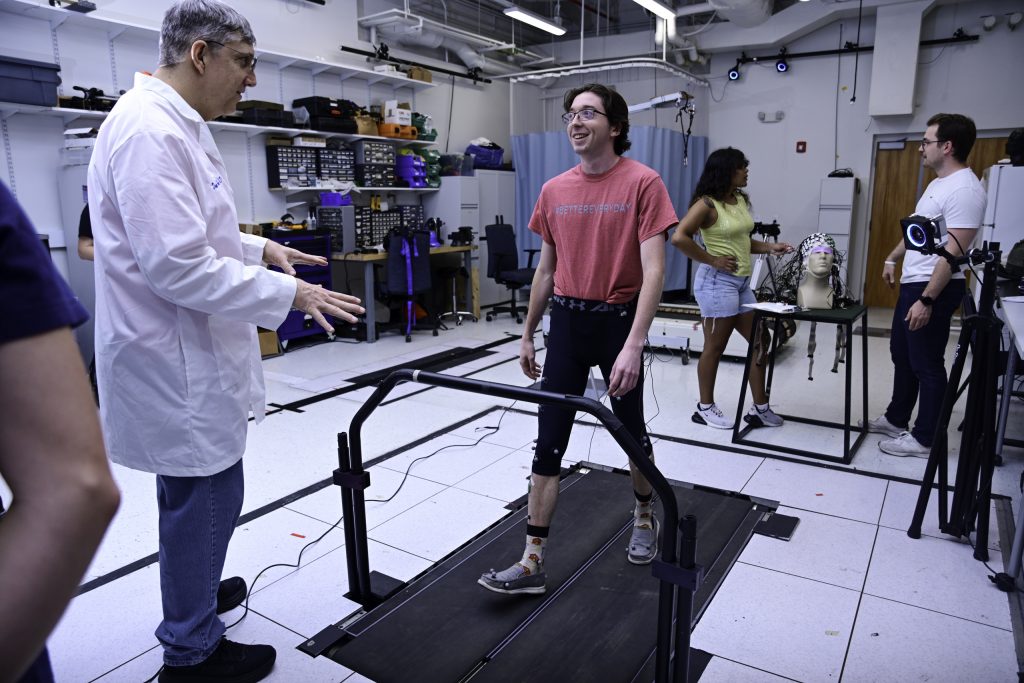
Wearable Sensors & Artificial Intelligence
Our researchers develop cutting-edge wearable sensor technologies combined with machine learning algorithms to monitor, analyze, and optimize human performance in real-time.
Key Research Areas: Smart sensor systems for continuous health monitoring • AI-powered movement analysis and injury prediction • Machine learning for early disease detection • Real-time biofeedback systems for athletic training
Featured Project: AI-Powered Athletics Initiative – A $2.5 million collaboration with UF Athletics using wearable sensors and artificial intelligence to optimize athlete performance and prevent injuries.
Neuroengineering
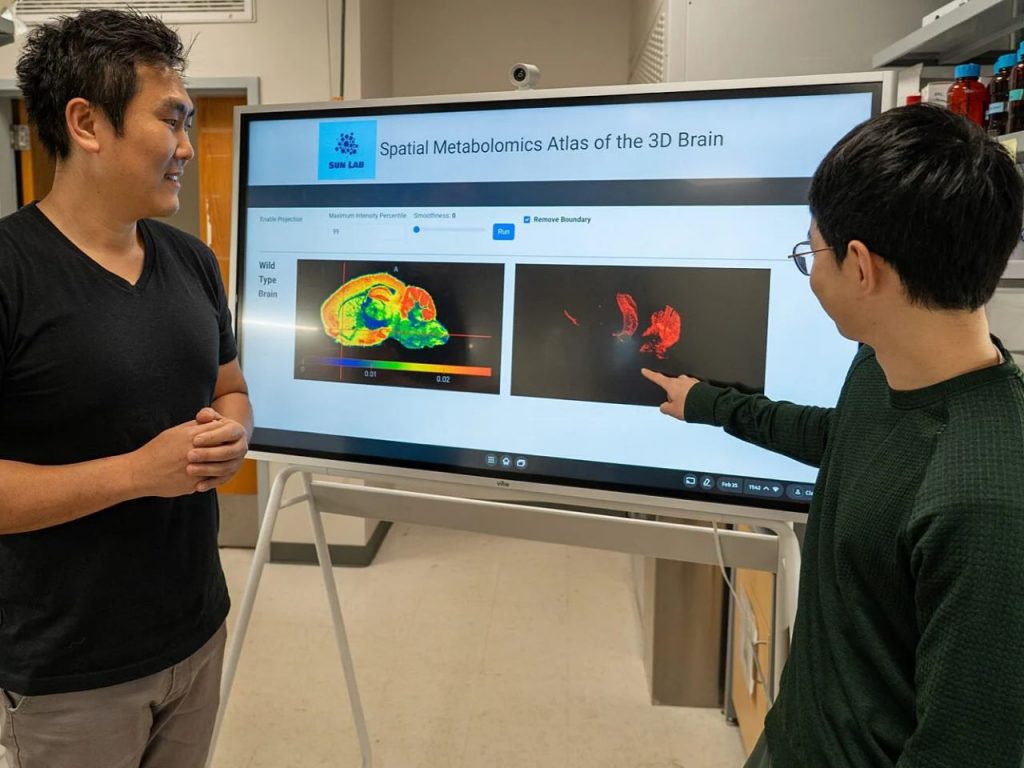
We explore the interface between engineering and neuroscience to develop technologies that restore, enhance, and understand brain function and neural control of movement.
Key Research Areas: Brain-computer interfaces for motor control • Neural signal processing and decoding • Neurostimulation for movement disorders • Cognitive load monitoring and optimization
Clinical Applications: Our neuroengineering research supports patients with Parkinson’s disease, stroke, spinal cord injury, and other neurological conditions through innovative therapeutic technologies.
Biomechanics & Movement Science
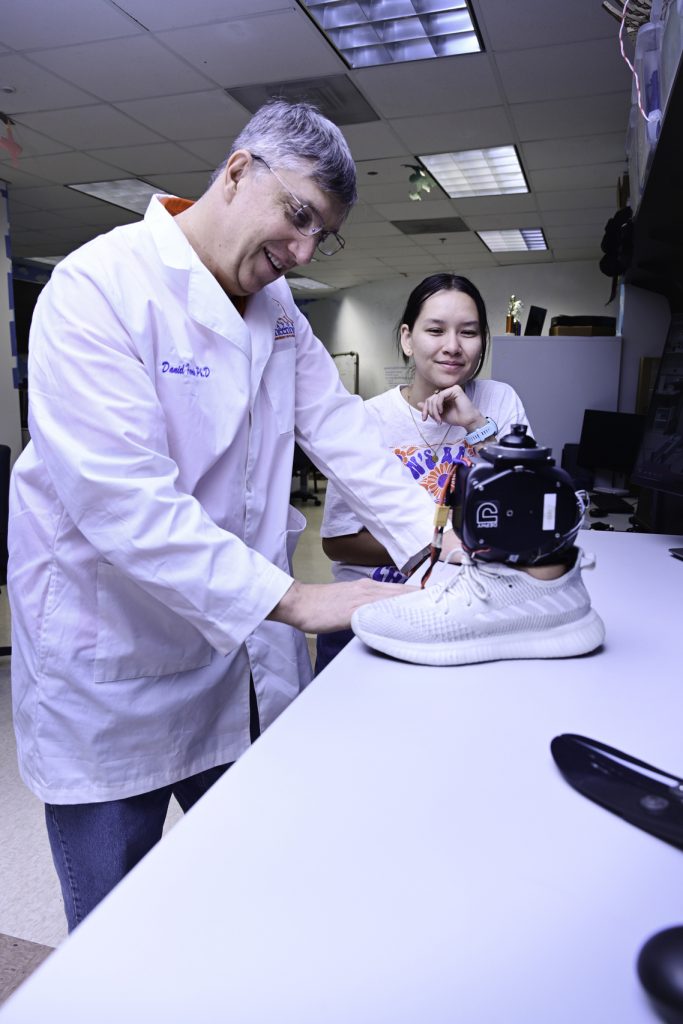
Our biomechanics research focuses on understanding human movement to improve rehabilitation, prevent injuries, and enhance athletic performance.
Key Research Areas: Gait analysis and rehabilitation • Musculoskeletal modeling and simulation • Sports biomechanics and injury prevention • Prosthetics and orthotics optimization
Facilities: State-of-the-art motion capture laboratories, force plate systems, and instrumented treadmills enable precise measurement and analysis of human movement patterns.
Virtual Reality & Accessibility
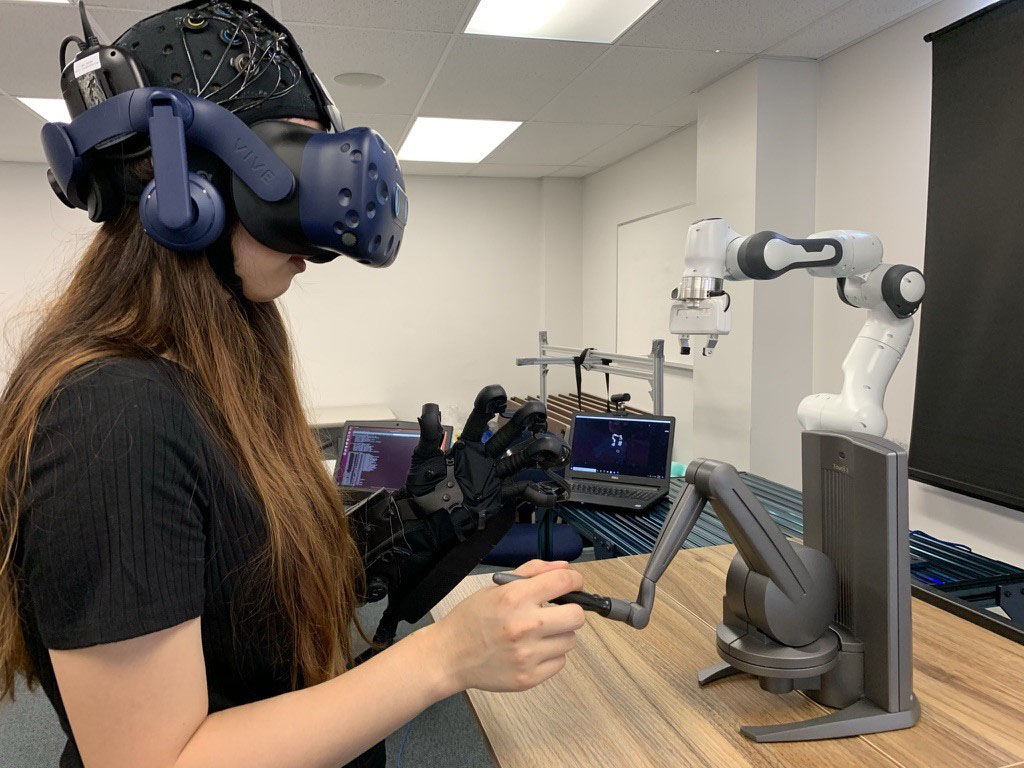
We leverage immersive technologies to create innovative rehabilitation tools and ensure digital experiences are accessible to all users.
Key Research Areas: VR-based rehabilitation for stroke and brain injury • Accessible interface design for users with disabilities • Immersive training environments for athletes • Augmented reality for surgical guidance
Impact: Our accessibility research ensures that virtual reality technologies benefit everyone, including individuals with visual, auditory, and motor impairments.
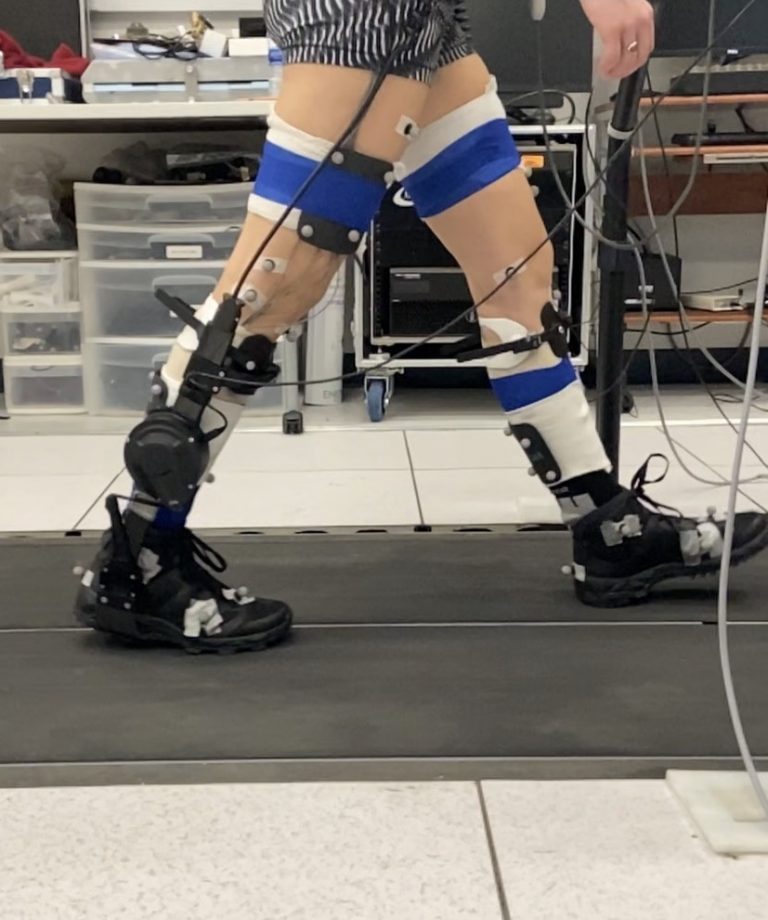
Exoskeletons & Robotics
Our robotics research develops wearable robotic systems that augment human strength, restore mobility, and assist with rehabilitation.
Key Research Areas: Powered exoskeletons for mobility assistance • Soft robotics for rehabilitation • Human-robot interaction and control • Assistive devices for daily living
Applications: From helping individuals with spinal cord injuries walk again to reducing fatigue for industrial workers, our exoskeleton research bridges the gap between human capability and technological assistance.
AI-Powered Athletics
A $2.5 million collaboration between the Herbert Wertheim College of Engineering and UF Athletics, this initiative combines wearable sensors, artificial intelligence, and supercomputing to optimize Gator athlete performance and wellness.
Key Focus Areas: Building the UF Athletics Databank with data from 21 varsity teams and 500+ student-athletes • AI-driven injury prediction and prevention • Secure and ethical data management • Training the next generation of sports analytics professionals
Learn More: Visit the AI-Powered Athletics website
Resources
Our center includes state-of-the-art research facilities across multiple locations on campus:
- Motion Analysis Laboratories: Multiple motion capture systems, force plates, and instrumented treadmills
- Wearable Technology: Equipment includes technology for sensor development, testing, and validation
- Neural Engineering: EEG, EMG, and brain stimulation systems
- Robotics: The ability to develop, test, and refine robotic exoskeletons and bionic prostheses
- VR/AR: Immersive technology development and user testing space
Research in the Center laboratories is funded by:
- National Institutes of Health (NIH)
- National Science Foundation (NSF)
- Department of Defense (DoD)
- Florida Department of Health
- Industry partnerships and sponsored research
UF ranks among the top public universities in NIH funding for neuroscience and neuromedicine research.
Collaborate With Us
We welcome research collaborations with academic institutions, healthcare organizations, and industry partners. Contact us to explore how we can work together to advance human performance and wellness.